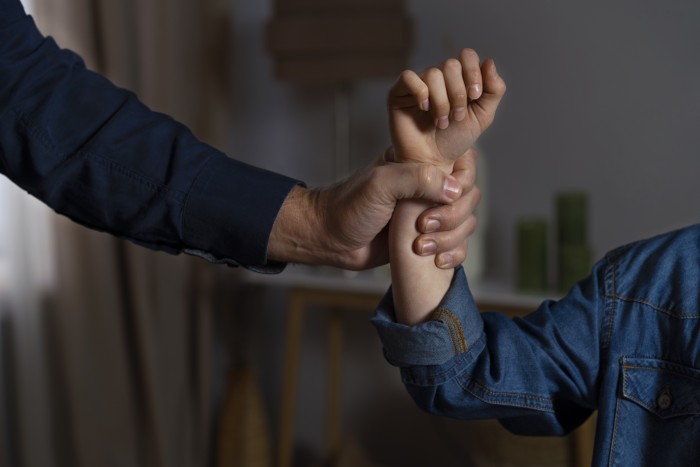
What Are The 5 Main Types Of Domestic Violence?
Domestic violence is classified as abusive acts perpetrated by people in an intimate relationship. Every year, domestic violence impacts millions of US households. Also known as spousal abuse, such acts can destroy families and may leave a permanent scar on the victims. DV laws in California aim to protect victims and put an end to the cycle of abuse.
Domestic violence can take various forms, & people must be aware of them. Knowing your rights, procedures, and the penalties involved can help you escape the chain of abuse. In this article, we will explain the five main types of domestic violence in California, early indications of an abusive relationship, as well as the penalties involved. Read on to learn closely about California’s domestic violence laws.
An Overview of Domestic Violence Laws in California
Domestic violence includes acts of abuse committed between people sharing personal relationships. What makes DV so personal is that the crime is committed in close, intimate relationships. As the name signifies, it takes place between married spouses or domestic partners and may also involve close family members. California laws state that domestic violence is any act of physical, emotional, psychological, sexual, or financial abuse done against:
- Current or former spouse
- Current or former dating partners
- Fiancé
- Cohabitants or former cohabitants
- Individuals having a child together
- People related by consanguinity or affinity within the second-degree
It is worth noting that not all criminal acts qualify as domestic violence. Such abusive acts are often centered on power & control. The abuser, often an intimate partner, perpetrates these acts to establish and maintain control over the victim or manipulate them.
Under California law, several acts of abuse are classified under domestic violence. While physical abuse is the most common form of abuse, other forms like emotional abuse, financial abuse, child abuse, and sexual abuse can be equally destructive. Even threatening to commit violence is an offense, even if the person doesn’t act on it.
The 5 Main Types Of Domestic Violence Explained
Domestic violence involves several sorts of abuse, including:
- 1. Physical Abuse
- 2. Emotional Abuse
- 3. Sexual Abuse
- 4. Financial Abuse
- 5. Digital Abuse
The first step to recognize & address domestic abuse requires understanding its kinds. By shedding light on these various forms of abuse, we can empower individuals to break free from abusive relationships & seek the support they need.
-
1. Physical Abuse
Physical abuse is a common type of DV. Beyond the acute harm, physical abuse has a far-reaching effect. Physical abuse may include, but is not limited to, the following acts:
- Hitting
- Slapping
- Punching
- Kicking
- Grabbing
- Biting
- Hair Pulling
The victim can suffer physical & emotional scars. Physical abuse victims may have bruises, cuts, or fractured bones. Internal injuries or persistent pain may also affect them. However, physical abuse goes beyond physical pain. It involves threats of violence or property damage that endanger a partner's physical safety.
Physical abuse frequently includes growing aggression followed by regret or repentance. This can confuse the victim, making it harder to leave the abusive relationship.
-
2. Emotional Abuse
Emotional abuse is common, but frequently overlooked. Unlike physical abuse, emotional abuse is undetectable & difficult to remedy. This abuse can include relentless criticism, humiliation, manipulation, & control. Other forms of emotional abuse may include:
- Name-calling
- Damaging one’s relationship with their friends, family, or children
- Diminishing one’s abilities
Emotional abuse can severely damage a victim's mental health. It lowers self-esteem, instills fear & reliance, & can cause anxiety, depression, & other psychological difficulties.
Many emotional abuse victims blame themselves for the abuse & feel stuck in the relationship. Emotional abuse must be recognized & addressed.
Counseling & support groups can assist with recovering from emotional abuse. Remember that emotional abuse is never justified. By raising awareness & offering support, we can eradicate this insidious type of domestic abuse & make our community safer & healthier.
-
3. Sexual Abuse
Sexual abuse is distressing & intrusive. It can include:
- Forced sexual activities
- Unwelcome approaches
- Harassment
- Coercion & manipulation to have sex or dress in a sexual way that makes them feel uncomfortable
- Forcing a partner to make or watch pornography
- Sexual Assault
Sexual abuse can cause serious emotional & psychological distress, where victims frequently feel humiliation, remorse, & helplessness. The loss of autonomy & dignity can cause great grief & distress. Recognizing that victims of sexual abuse need support & empathy is crucial.
Safe locations for survivors to seek treatment are needed to address sexual abuse. Access to counseling, therapy, & support groups can help survivors recover & reclaim control. People must learn to recognize & report sexual abuse as domestic violence.
Our society can fight all types of domestic violence by exposing sexual abuse & providing assistance for survivors. No one should have to endure the trauma of sexual abuse, & together, we can make a difference in the lives of survivors.
-
4. Financial Abuse
Financial abuse can imprison individuals in abusive relationships. It involves one spouse controlling, restricting, or manipulating financial resources. This kind of abuse can make victims financially reliant & unable to break the cycle of abuse.
Financial abuse can take many forms, like:
- Controlling one’s access to funds within a marriage or relationship
- Removing one’s name from a joint bank account
- Canceling access to health insurance
- Transferring funds out of a joint account to the other party’s detriment
- Canceling automatic payments for essential services
- Theft
- Blackmail
- Not returning borrowed money
- And more
Financial abuse can include denying the victim bank accounts, credit cards, or cash. Abusers may monitor & control all financial choices, limiting the victims' financial autonomy. They may hinder the victim from working or going to school, financially harming them.
Beyond the financial side, financial abuse has far-reaching consequences. This can create great tension, worry, & a feeling of incompetence in the sufferer. Unable to support themselves & their children financially, they may feel trapped in a violent relationship.
Domestic violence hotlines, shelters, & legal assistance can give support & advice in navigating financial abuse. By shedding light on this sort of domestic violence, we can empower victims to break free from the cycle of abuse & regain control over their financial well-being.
-
5. Digital Abuse
Digital abuse is a form of domestic violence that has emerged with the advancements in technology. It entails using digital channels to harass, stalk, or dominate a relationship, such as social media, texting, or email. This form of abuse can damage a person's mental health & can continue the pattern after the relationship ends. Digital abuse may entail:
- Incessant calling or texting
- Abuse over social media or networking
- Use of tracking devices or surveillance apps
Digital abuse victims may face worry, panic, & privacy loss. Even when they are physically away from the abuser, they may feel continually observed or controlled. Digital abuse can be long-lasting & can cause isolation & powerlessness.
Early Signs of Domestic Violence
Domestic violence can happen anytime during a relationship, even after it's over. While it is difficult to detect abuse early, here are some common signs that your partner may become abusive:
-
Controlling Behavior
An abuser may try to limit contact of their partner with their friends or family or object to activities they enjoy.
-
Possessive Behavior
They may be overly jealous of their partner's relationships and discourage them from talking to the opposite sex.
-
Insults
Verbal abuse or insults, if frequent, may indicate the onset of domestic violence. Even sarcasm or taunts directed to belittle the victim can be an indication.
-
Threats
Any threat of physical, mental, psychological, or sexual harm made by the abuser should be a major red flag.
-
Financial Control
If your partner is limiting your access to money or assets, it may indicate domestic violence
How can the Law Protect you as a Victim of Domestic Violence?
California law protects victims of domestic violence escape abuse with domestic violence restraining orders (DVROs). Providing immediate and long-term protections, DVROs limit the activities and behaviors of the abuser. These restraining orders may also include temporary child custody and/or child support orders.
Here are the types of restraining orders that courts in California can issue:
-
Emergency Protective Order (EPO)
EPOs are granted in emergency situations when there’s an immediate threat of violence. Typically, these are issued by law enforcement officers to provide immediate protection. EPOs are valid for a few days, giving time to the victim to seek legal protection from the court.
-
Temporary Protective Order (TPO)
A temporary protective order is issued as an ‘ex parte’ order until a full hearing can be scheduled. TROs last until the full hearing, where the court will determine whether a permanent restraining order is necessary.
-
Final Restraining Order
This is the full hearing where both parties have the opportunity to present their case and evidence. It is issued for a specific duration, which may be up to 5 years, depending on the circumstances. The court also has the power to extend the protection or even make it permanent after hearing both sides.
Penalties Under California Domestic Violence Laws
A person arrested for domestic violence in California may be charged with a felony or a misdemeanor. The charges depend on several factors, like the nature and severity of the abuse or any prior criminal records. The consequences of a felony conviction are far more severe than a misdemeanor conviction. Penalties may include:
- Fine: The convict may be asked to pay a fine, depending on the type of charge & their criminal history.
- Restitution of the Victim: The convicted person may be required to pay restitution to the victim.
- Jail or Prison Time: The abuser may face imprisonment in county jail for up to a year or in the California state prison for up to 4 years.
- Loss of Civil Rights: The person convicted under a DV offense may lose voting rights, the right to possess a firearm, deportation or inadmissibility to the US, and loss of custody rights.
How can a Family Law Attorney Help?
Jos Family Law is committed to addressing domestic violence & providing support for victims. Our domestic violence lawyers understand the nuances of the legal procedure and how to obtain legal protection for victims. We can secure restraining orders, file divorces, & advocate for our client's rights & safety.
We recognize the sensitivity of these circumstances & give compassionate counsel to empower & protect victims. Our aim is to establish a safe, healthy community with compassionate and caring legal representation.
Wrapping Up!
Domestic abuse impacts many households. By recognizing the five categories of domestic violence—physical, emotional, sexual, financial, & digital abuse—people can identify the indications & get assistance.
Domestic abuse victims need community support & resources. Jos Family Law can help victims leave abusive situations. Let us work towards creating a safer & healthier community for all!
Jos Family Law
Categories
Get In Touch
Our attorneys are here to help you during every stage of your case. Schedule a confidential consultation and know your options with the seasoned counsel of top family law attorneys.
Contact Information
Please call, email, or contact our office online to arrange an appointment for your case today.
Get In Touch
Our attorneys are here to help you during every stage of your case. Schedule a confidential consultation and know your options with the seasoned counsel of top family law attorneys.
Contact Information
Please call, email, or contact our office online to arrange an appointment for your case today.
Google Reviews
4.7 (175)


Sonia Fernández
Jos exhibits exceptional compassion and understanding, promptly addressing all inquiries to facilitate clarity and calm throughout the process with comprehensive and sincere explanations. He offers potential solutions to minimize unnecessary court costs. His team operates efficiently and effectively to complete the task. I highly recommend this law firm as it operates with integrity.
....Read More
Carlos Serrano
Thank you very much to Mr. Jos and to all his group of professionals who helped me get out of my child support case with a very good result. Each case is different and my case was very complicated. I live in the state of Virginia and the child support office of the state of California was starting a case against me, the amount they wanted me to pay was ridiculously high I didn't know what to do because I don't live in California and I had never met the child either. I searched online for a lawyer in California and thank God I found Mr. Jos's law office. I don't know them personally but I put my trust in them and they didn't disappoint me. We had very good communication despite the distance and they were always available to talk to me and clarify my doubts. Mr. James was the one who took my case to the end and after a long and very difficult process everything went very well in my favor much more than expected. I am very grateful to God for putting the entire team of professionals from Mr. Jos' office on my way. Words are not enough for me to describe everything they did for me and how grateful I am. I definitely recommend Mr. Jos's law firm. Thank you Mr. James for not giving up in my case and having achieved a magnificent result in my favor.
....Read More
Alexandra Duvall
Jos Family Law has been absolutely fantastic in helping me through my child custody case. Mr Jos communicated with me throughout the entire process. He was very empathetic and understanding with my case and my concerns. The team was always supportive and never once did I feel like they didn’t take my case seriously. I’m so grateful I chose this law firm to represent me and I would 100% recommend this team to anyone seeking assistance. In the end I received the outcome I was looking for which was Sole Physical Custody. Thank you so much Jos Family for representing me.
....Read More
Marco Galatro
This was the second attorney that represented me for my divorce. Binoye is a very knowledgeable, fair, and professional attorney. They are reliable and this made my experience way less painful. They are definitely not greedy for money, they are not one of the many attorneys out there who overbill for their services. I truly recommend them.
....Read More
Roya
Mr. Jos is by far the best attorney l've ever had to work with. He is diligent, extremely prepared and informed and patient with his clients and goes above and beyond the call of duty to make sure you get the results you are hoping for. I recommend him to anyone who needs a Family attorney.
....Read More
Ricardo Lajaruna
My most sincere gratitude to the attorney Mr. James Sowers, who is very knowledgeable about the law, works with and for his clients. He is very transparent, honest and I am very grateful for his great support. His legal representation is highly recommended!!!
....Read More
Nader Zayid
JOS family Law took on my case which entailed custody and move away components and I honestly could not say enough great things about JOS Family Law! Mr. Jos is not only extremely knowledgeable and professional, but it is also extremely obvious how much he cares for his clients on a personal level as well. There is an expression that two heads are better than one, however, Mr. Jos' philosophy takes it further as eight heads are better than two. It was so impressive and reassuring how collaborative everyone at the office works together to meet on regular cadences and discuss their client's cases to brainstorm strategies in order to seek the best possible outcome for their clients. Mr. Jos has an amazing team of extremely talented and knowledgeable attorneys that have worked together on my case. James was the lead attorney on my case and also represented me in my hearing. James was able to get us everything we were asking for as he successfully proved that full custody remaining with me is in the best interest of the children and that the move away is in the best interest of the children as well. We were able to come up with a plan to ensure that the children's mother can visit regularly and still maintain a healthy relationship. James is a rock star attorney! I would without hesitation refer anyone seeking help in a family law matter to call Jos Family Law!
....Read More