Military life and multiple deployments are stressful enough for servicemembers. Going through something as tough as a divorce can be even more stressful. When one or both spouses are members of the military, a divorce may seem like a tough but necessary step to resolve irreconcilable differences. In situations like these, you need compassionate yet firm legal advocacy from a military divorce attorney who has handled cases like yours. Their experience will help you not only while filing for paperwork and handling court procedures, but also in providing the emotional support you would need during such a complicated journey.
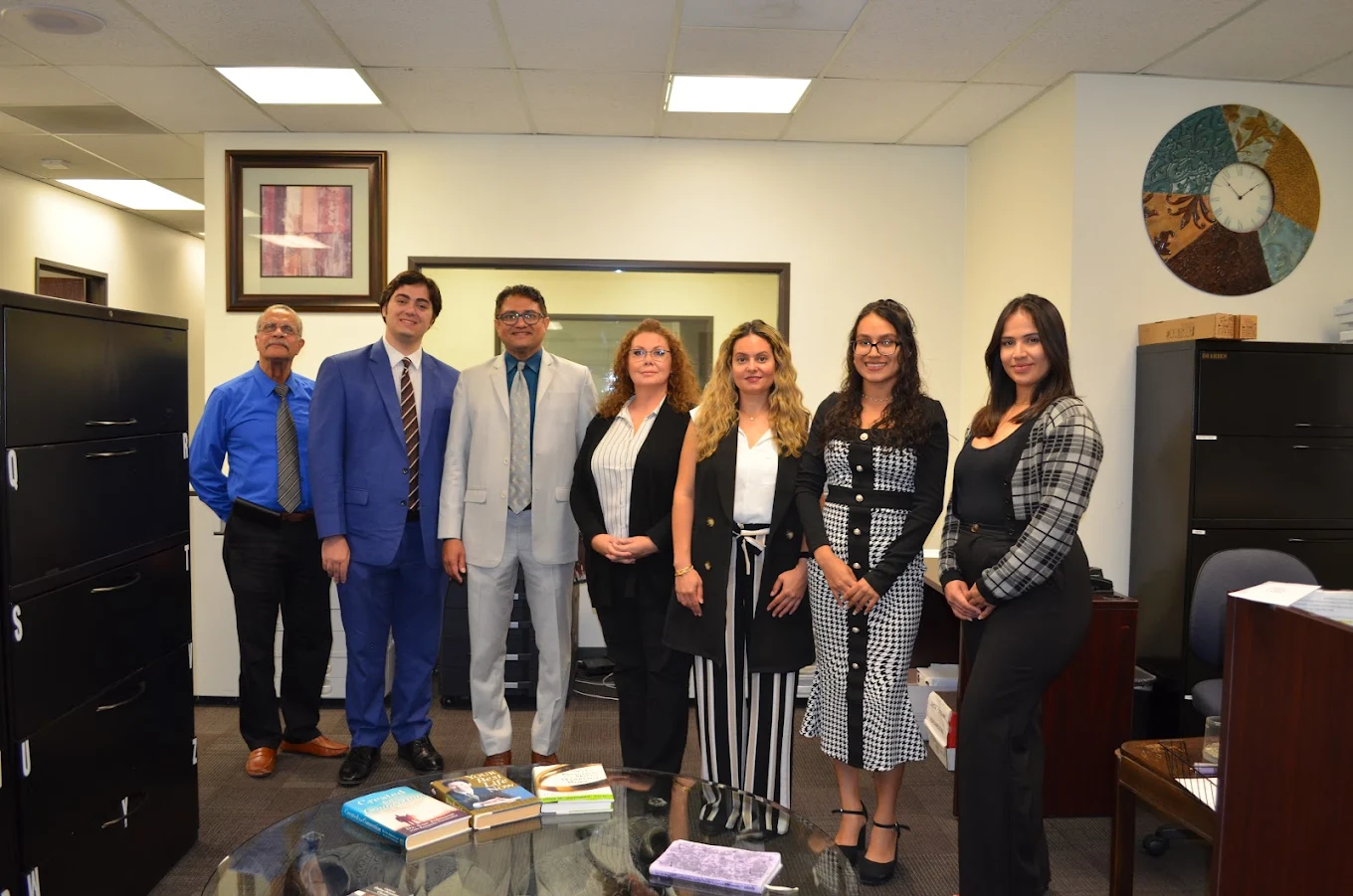
This is where the military divorce attorneys at JOS Family Law come into the picture. With more than 55 years of combined experience in successfully handling military divorces, our compassionate, competent, and aggressive lawyers can help protect your rights and interests. Our lawyers are well-versed in military family law and what it takes to resolve high-stakes cases to success. That’s not all, we can guide you towards fulfilling all requirements involved in military law, helping you stay informed about what to expect. If you are facing a military divorce, we urge you not to wait any longer and contact our experienced lawyers right away.

One of the most prominent questions regarding a military divorce is where you should file for divorce, especially when you or your spouse or both are deployed out of state
The divorce action is filed within the state in which both parties reside, not where the servicemember is currently stationed. If the servicemember is deployed outside of their state of residence, they may not be able to file for a divorce there since the court may view it as a temporary absence. However, the court may be able to argue that a servicemember ’s involvement in a case gives consent and recognition to local laws. That said, several military bases within California can make you, as a servicemember , eligible to file for a divorce if you are a California resident and stationed in one of them. Some of those bases are:
Although federal and state laws have made military divorce processes much easier, active duty servicemembers are still required to be personally served with a summons for a California court to have jurisdiction over their divorce.
Divorces are handled differently for active-duty military members. The Servicemembers Civil Relief Act (SCRA), for instance, provides several protections for active-duty military members, such as the ability to delay court proceedings while on active duty and protection from default judgment if they are unable to appear in court, despite being served with a summons. They are also eligible under this act to delay divorce proceedings for up to 60 days after returning from active duty. A spouse cannot simply rush through a divorce, and their active-duty partner has the right to delay the proceedings until they are available.
On the other hand, in the case of an uncontested divorce, the spouse may not have to be served with a court summons if they have signed a waiver affidavit that acknowledges a divorce action. Even with a signed waiver in hand, the process is rarely "set it and forget it." Our military divorce attorneys provide the essential oversight needed to ensure that "uncontested" doesn't mean "unprotected." Give us a call, and will help you get started with the navigation of the complicated landscape of a military divorce.
Military divorce in California is much like a civil divorce, and follows the rules of California property division laws.
According to California property division laws, property may be divided into separate property and community property. Separate property takes into consideration all the property acquired before the marriage, including gifts and inheritances. On the other hand, community property encompasses all the property acquired during the course of the marriage. This can include homes, rental property, cars, furniture, assets, etc.
However, there is another aspect of marital property that is strictly pertinent to military spouses. Under the Uniformed Services Former Spouses Protection Act (USFSPA), military retirement pay is treated as marital property subject to division in a divorce. Thus, the non-active-duty spouse may be eligible to receive a portion of the retirement pay from the Defense Finance and Accounting Service only if they have been married for 10 years or more to the military spouse on active duty. Furthermore, spouses may also be eligible for TRICARE health coverage depending on the length of the marriage.
Additionally, under the USFSPA, former spouses of military servicemembers can also receive a designation as a Survivor Benefit Plan (SBP) beneficiary. This allows retired members of the military to provide an income to an individual-called the beneficiary- when they pass away. All retired servicemembers are enrolled in this program unless they specifically decline. In the event of a divorce, the SBP designation is usually revoked, although in some cases it may be continued. For example, the court may order the SBP to continue, it may be voluntarily continued by the servicemember , or it may be done just to honor an agreement.
If you have questions about how your property may be divided or how you can reach a fair property settlement, we encourage you to contact our skilled military divorce attorneys Ca right away!
The Department of War mandates all servicemembers to strictly comply with the custody, support, and visitation decrees ordered by the court; failing to do so may invite strict penalties for servicemembers.
Exactly like civilian divorce proceedings, military members are mandated by law to provide essential support to their families and dependents. However, if a servicemember fails to comply with their court-ordered duties towards their family, they may have sanctions imposed on them by the military, which is not the case with civilian divorces.
When it comes to determining the exact amount of child support to be paid, the state will determine the rate. The military aspect of active-duty members however, may complicate certain issues, like how to enforce support orders after a servicemember leaves deployment. Military support is calculated much the same way as civilian support except that it also considers base pay, housing allowance, and other benefits that can be considered as income. It is important to note here that California courts do not allow child and spousal support to exceed 60% of the military spouse’s pay.
If you are actively serving in the military or have experience serving in it, you know how well you have to be constantly on the move. However, this creates a uniquely tough situation when it comes to child custody. California courts emphasize the best interests of the child, which is usually when both parents are actively involved in the child’s upbringing, inviting compelling reasons when that fails to be the case. This means that military divorces would need the formulation of unique and inventive child custody plans so that the child and their active-duty military parent can foment a meaningful relationship over time, even if the said parent is physically away on deployment. Additionally, it must be noted that upon the servicemember ’s return, their absence will not be used against them.
Our competent military divorce attorney in Orange County can navigate the unique intersection of California’s statutes with federal military mandates to help protect your future, finances, and family.
At JOS Family Law, we understand that the rules applicable to a standard dissolution of marriage do not hold water for military divorces. Our full-service legal team is firmly equipped with the meticulous insights drawn from our 55+ years of experience in effectively handling such high-stakes divorce cases. Our areas of specialization includes:
Determining whether to file in California or a different home of record can significantly impact the outcome of your case. We analyze residency requirements and the Servicemembers Civil Relief Act (SCRA) to ensure your filings are procedurally sound.
Calculating the "disposable retired pay" requires precise language that satisfies both California's 50/50 community property rules and DFAS requirements. We ensure orders are drafted correctly to avoid future rejections or loss of benefits.
We craft flexible parenting plans that account for the realities of moves, deployments, and temporary duty assignments, ensuring the best interests of the children are maintained despite a demanding military schedule.
We help you make sense of the rules for TRICARE eligibility and ensure SBP designations are correctly handled so that the long-term security of the non-military spouse can be handled.
JOS Family Law is your answer to bridging the gap between the courtroom and the command to get the clarity that you and your family deserves. Call us now or book a consultation to get started.
4.7 (175)
The 20/20/20 Rule is a federal standard used to determine if a non-military spouse can retain TRICARE healthcare coverage after a divorce. To qualify, you must have been married for at least 20 years, the servicemember must have served for at least 20 years, and there must be at least a 20-year overlap between the marriage and the military service.
We help clients evaluate their eligibility and explore alternative options if they don't meet these criteria.
Under the Servicemembers Civil Relief Act (SCRA), you have the right to request a "stay" or postponement of the proceedings.
If your military duties materially affect your ability to appear or defend yourself in court, a judge can halt the case for at least 90 days, with the possibility of extensions.
At JOS Family Law, we help active-duty clients in Orange County invoke these protections to ensure a default judgment isn't entered against them while they are serving.
The SBP acts as a form of "life insurance" that continues pension payments to a beneficiary after the retiree passes away.
In a divorce, a former spouse does not automatically remain the beneficiary. To maintain coverage, the divorce decree must specifically order "Former Spouse Coverage," and a "Deemed Election" must be filed with DFAS within one year of the divorce.
Missing this strict deadline is a common and costly error that our attorneys specifically look to prevent.
Our attorneys are here to help you during every stage of your case. Schedule a confidential consultation and know your options with the seasoned counsel of top family law attorneys.
Please call, email, or contact our office online to arrange an appointment for your case today.